
Reducing Heat Transfer Between Living Space and Attic
Attic Insulation in Amarillo for improving indoor comfort and reducing unwanted heat movement through the ceiling plane
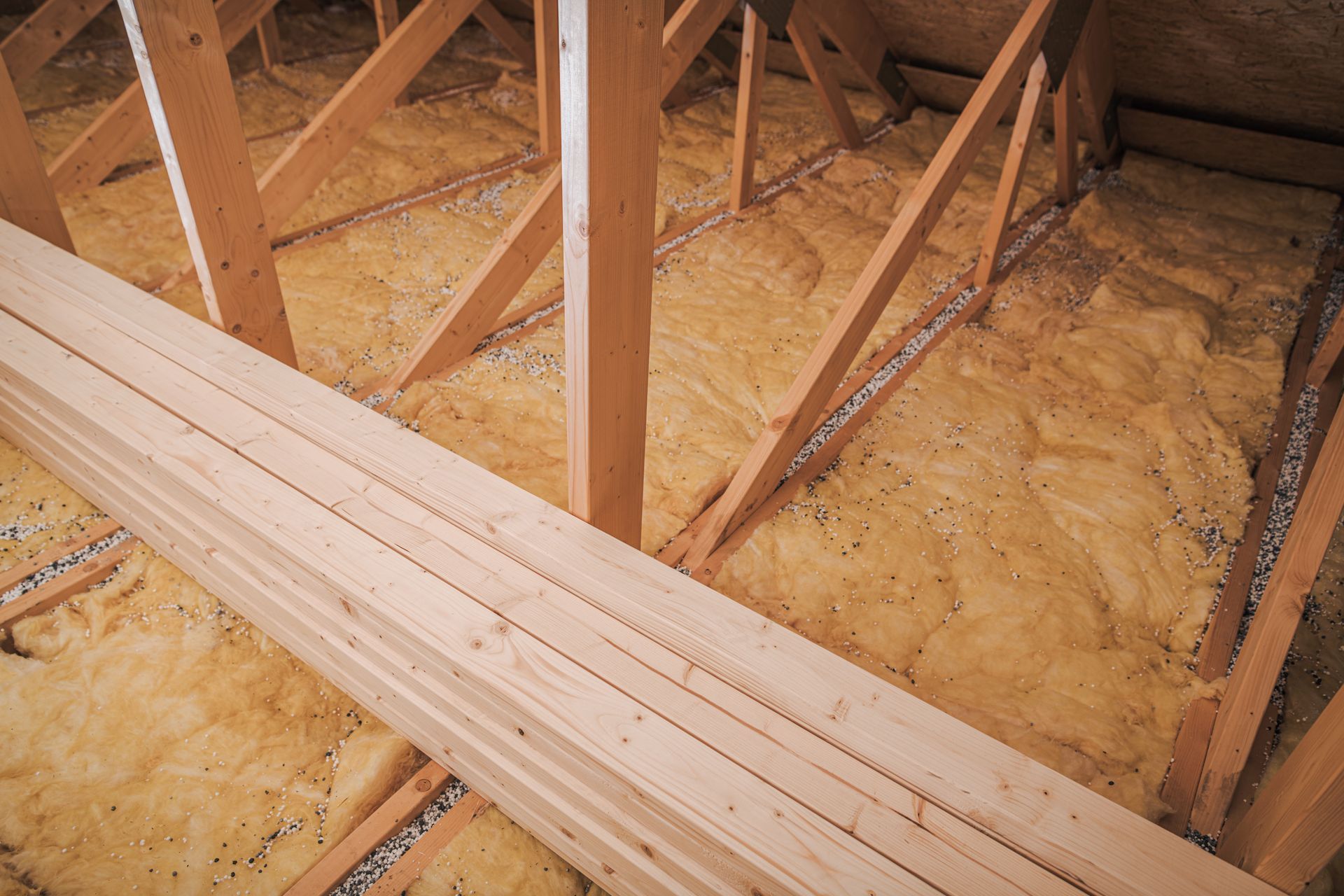
Intense Panhandle summer heat drives attic temperatures above 140 degrees, radiating downward through inadequate or deteriorated insulation and forcing cooling systems to run constantly to offset the thermal load. Winter cold has the opposite effect, pulling heat upward from living spaces through gaps and compressed insulation that no longer provides effective resistance. HVAC M.D. evaluates existing attic insulation in Amarillo properties and adds or improves coverage where R-value has declined due to age, settling, moisture intrusion, or insufficient original installation. The goal is to create a thermal barrier that reduces heat transfer in both directions, keeping conditioned air inside the living space rather than losing it to the unconditioned attic.
Assessment involves measuring current insulation depth, checking for compression around recessed lights or ductwork, identifying air leaks at penetrations, and determining whether additional material can be installed over the existing layer or whether removal and replacement is necessary. Blown fiberglass or cellulose is added to bring the attic floor to recommended R-value for the region, typically between R-38 and R-49 depending on local building standards and climate zone. Proper installation includes maintaining clearance around heat-producing fixtures, ensuring ventilation pathways remain unobstructed, and sealing major air leaks before adding insulation.
Request an attic insulation assessment to identify whether your current insulation meets regional thermal performance standards.
What Adequate Attic Insulation Accomplishes
Insulation works by slowing conductive heat transfer through the ceiling plane, and effectiveness depends on material type, thickness, and how evenly it covers the attic floor without gaps or compression. Loose-fill insulation conforms to irregular joist spacing and fills around obstacles, while batt insulation requires careful fitting to avoid leaving voids that compromise thermal performance. Both approaches increase R-value, the measure of thermal resistance, which directly affects how much heat moves between the attic and living space during temperature extremes.
After insulation improvement, rooms directly beneath the attic maintain more consistent temperatures without relying solely on HVAC output to compensate for thermal loss. Ceilings feel less cold to the touch in winter and radiate less heat downward in summer. The HVAC system reaches set temperature more quickly and cycles less frequently because it is no longer offsetting continuous heat gain or loss through the building envelope. HVAC M.D. ensures that added insulation does not block soffit vents or create moisture traps that lead to condensation and material degradation over time.
Attic insulation does not eliminate the need for air sealing at major penetrations, proper attic ventilation, or HVAC system maintenance, and it will not compensate for duct leaks, undersized equipment, or poor air distribution. The service addresses thermal resistance at the ceiling plane, which is one component of overall building envelope performance and indoor comfort management.
Answers to Frequent Insulation Questions
Attic insulation generates questions about material choice, installation methods, and expected changes in comfort and system performance, particularly in regions like Amarillo where seasonal temperature extremes stress both insulation and HVAC equipment.
What R-value is recommended for attics in Amarillo?
Current building codes and energy standards typically recommend R-38 to R-49 for attic floors in the Texas Panhandle, depending on the specific climate zone and whether the attic is vented or unvented.
How does insulation affect HVAC runtime?
Adequate insulation slows heat transfer through the ceiling, reducing the thermal load on heating and cooling equipment, which allows the system to reach set temperature with shorter, less frequent cycles rather than running continuously to offset envelope losses.
Can insulation be added over existing material?
In most cases, additional loose-fill insulation can be blown over existing fiberglass or cellulose, provided the existing material is dry, uncompressed, and free of mold or pest contamination that would require removal first.
What role does attic ventilation play?
Proper ventilation prevents moisture buildup and reduces attic temperature in summer by allowing hot air to escape, which works in combination with insulation to minimize heat transfer and protect roofing materials from thermal stress.
How long does attic insulation installation take?
Installation duration depends on attic size, access constraints, and whether air sealing is required before adding insulation, but most residential attics are completed in a few hours to a full day.
HVAC M.D. assesses current insulation conditions, measures existing R-value, and adds material to meet or exceed regional performance standards for Amarillo properties. Schedule an attic evaluation to determine whether your insulation requires improvement.