
Preventing Failures Before Seasonal Demand Peaks
HVAC Maintenance in Amarillo for homes preparing equipment before summer cooling season or winter heating demands
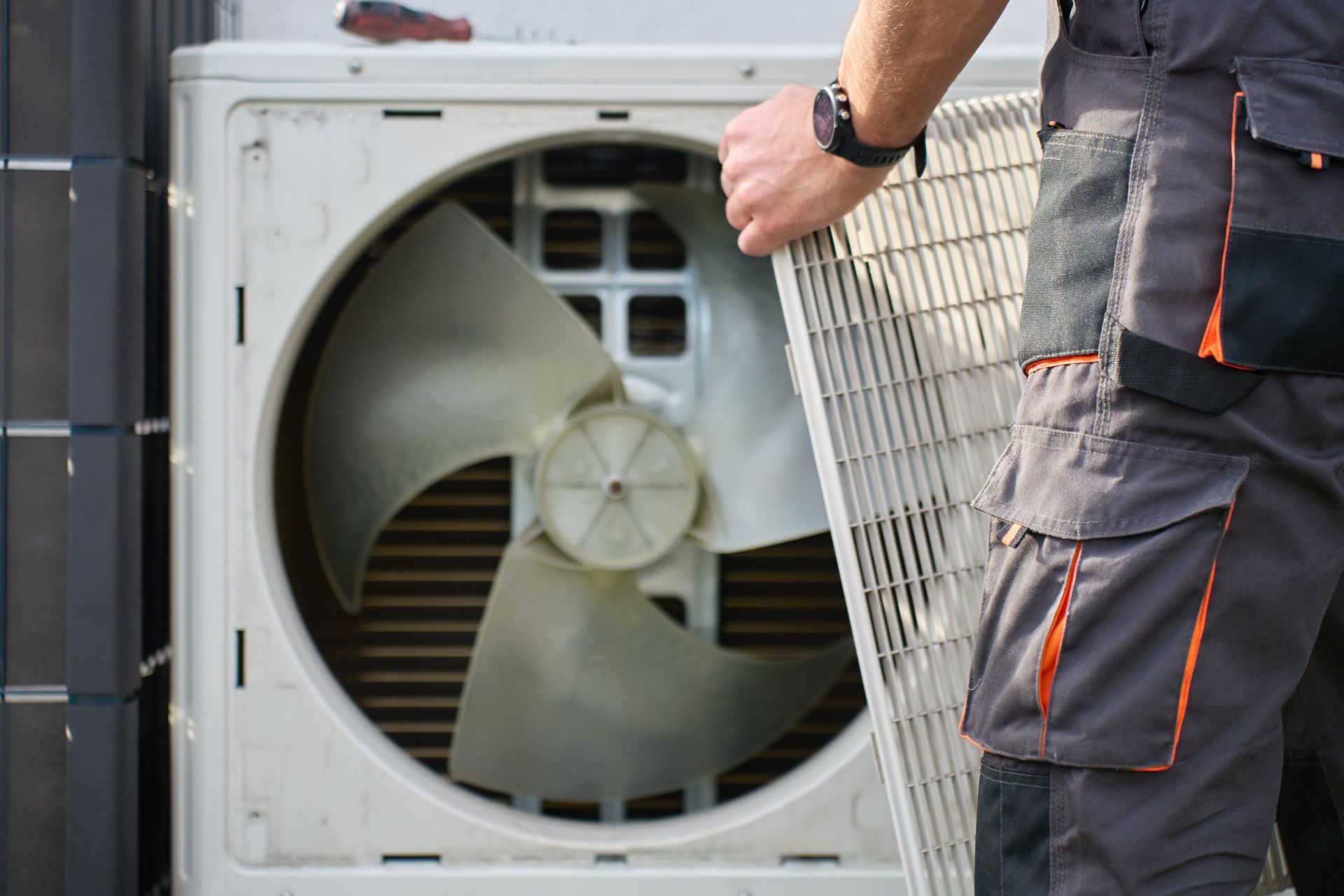
HVAC M.D. performs routine HVAC maintenance throughout Amarillo, preparing heating and cooling systems for the seasonal loads they will face during summer temperatures exceeding 95 degrees and winter lows below freezing. Maintenance visits inspect equipment operation, clean components affecting airflow and efficiency, and identify developing problems—worn belts, failing capacitors, or refrigerant leaks—before they cause complete system failure during peak use. Properties in the Texas Panhandle also contend with airborne dust that accumulates on coils and blower components, reducing airflow and forcing equipment to work harder to maintain comfort.
Technicians measure amp draw on blower motors and compressors to detect components working outside normal operating ranges, test capacitors with load meters rather than visual inspection alone, and verify refrigerant charge by measuring superheat and subcooling rather than relying on gauge pressures that vary with outdoor temperature. Indoor coils are inspected for dust accumulation that restricts airflow, and condensate drains are cleared of biological growth that causes backups and potential water damage. Gas heating systems receive combustion analysis to verify proper flame characteristics and check heat exchanger integrity for cracks that allow combustion gases to enter living spaces.
Schedule service to complete maintenance inspections and address minor issues before equipment faces seasonal temperature extremes.
What Changes After Maintenance Completes
Airflow improves when coils and blower assemblies are cleaned, allowing systems to reach thermostat settings without extended run times, and removing the strain that shortens component life. Electrical connections are tightened to prevent arcing and voltage drops that cause premature motor and contactor failure. Lubrication on motors with oil ports reduces bearing friction and operating noise.
After maintenance, you will notice more consistent temperatures across rooms as improved airflow balances heating and cooling distribution, and systems reach thermostat settings without running continuously. Equipment starts reliably rather than hesitating or requiring multiple attempts, and unusual sounds—squealing belts or rattling panels—are addressed before they indicate component failure. Dust accumulation on return grilles slows between service visits when filters are replaced and cabinet seals prevent bypass.
Maintenance addresses routine inspection and cleaning but does not include component replacement beyond filters, refrigerant recharge for systems with leaks, or repairs to failed parts discovered during inspection. Those items are estimated separately based on the specific equipment and required parts.
Answers to Frequent Service Questions
Maintenance questions focus on timing, what the service includes, and how it prevents problems common to Amarillo's climate and dust conditions.
When should HVAC maintenance be scheduled?
Spring maintenance before cooling season and fall maintenance before heating season prepare equipment for peak demand, addressing problems during moderate weather rather than during temperature extremes when failures affect comfort immediately.
What does maintenance involve?
Inspection covers electrical components, refrigerant charge, combustion operation for gas systems, airflow measurement, coil cleaning, drain clearing, and filter replacement, with documentation of amp draw and operating pressures to track equipment condition over time.
How does Amarillo's environment affect maintenance needs?
Airborne dust from agricultural areas and construction accumulates on coils and blower wheels faster than in less dusty climates, requiring more frequent filter changes and periodic coil cleaning to maintain proper airflow and prevent system strain.
What problems does maintenance catch early?
Capacitors showing reduced microfarad ratings before complete failure, refrigerant charge dropping from small leaks, flame sensors with combustion deposits that will soon prevent ignition, and blower motors drawing high amperage before bearings seize.
Why does regular maintenance improve system reliability?
Cleaning components that affect airflow prevents the overheating and strain that shorten compressor and motor life, while early detection of electrical and mechanical wear allows planned part replacement before failures occur during peak heating or cooling demands.
HVAC M.D. documents equipment condition during maintenance visits, providing a record of operating parameters that helps identify developing problems before they cause failures. Request maintenance service to prepare your system for upcoming seasonal use and address wear before it affects performance.