
Restoring Function When Systems Stop Working
HVAC Repair in Amarillo for equipment producing weak airflow, uneven temperatures, or complete heating and cooling failure
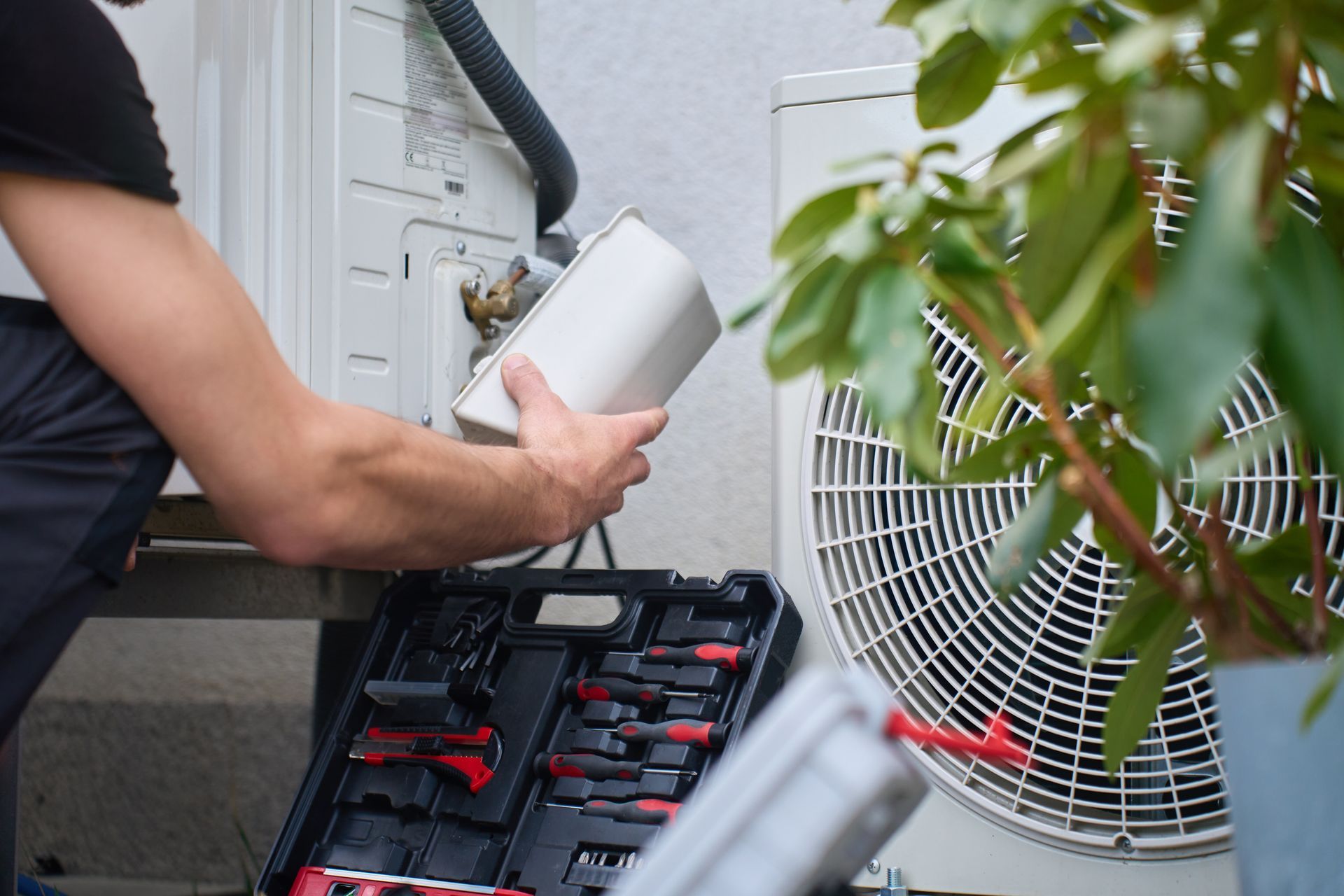
Compressor failures during July heat waves and ignition problems during January cold snaps create immediate comfort loss in Amarillo homes, where outdoor temperatures routinely exceed 95 degrees in summer and drop below 20 degrees in winter. HVAC M.D. diagnoses and repairs heating and cooling failures, addressing systems that stop responding to thermostat calls, produce insufficient airflow, or generate unusual sounds during operation. Accurate troubleshooting separates component failures from simple maintenance issues, preventing unnecessary part replacement when cleaning or adjustment restores function.
Diagnostic procedures test electrical circuits, measure refrigerant pressures, verify ignition sequences, and check airflow at the equipment and throughout duct systems. Weak cooling often traces to refrigerant leaks at coil connections or line set fittings rather than compressor failure, while heating problems frequently involve flame sensors coated with combustion residue or pressure switches responding to blocked vents. Blower motor capacitors fail more frequently in Amarillo's temperature extremes, causing motors to hum without starting or reducing airflow below levels needed for proper heating and cooling.
Schedule HVAC repair to restore heating or cooling function and identify the specific component causing system failure.
How Repairs Address Specific Problems
Component replacement involves matching parts to equipment model numbers, ensuring proper electrical ratings for motors and capacitors, and verifying refrigerant compatibility for older systems that may still operate on R-22. Refrigerant repairs require locating leaks, making permanent repairs to affected connections or coils, evacuating moisture from the system, and recharging to manufacturer specifications rather than simply adding refrigerant to low systems.
Once repairs are complete, heating returns to thermostat settings without the ignition delays or flame dropouts that preceded failure, and cooling produces consistent airflow with supply temperatures 15 to 20 degrees below return air. Unusual grinding, squealing, or rattling sounds stop when failed bearings or loose components are addressed. Systems cycle normally rather than running continuously without reaching temperature or shutting down on safety limits.
Repairs restore immediate function but do not include duct cleaning, filter replacement programs, or preventive maintenance beyond the specific failed component. Equipment nearing the end of typical service life may warrant replacement evaluation rather than investing in repairs to multiple failing parts over successive seasons.
Common Questions About This Service
Repair questions typically focus on diagnosis, timing, and what determines whether repair or replacement makes better sense.
What causes sudden heating or cooling failure?
Component failures—capacitors, contactors, flame sensors, or pressure switches—are the most common causes of systems that stop operating, though thermostat problems, tripped breakers, and clogged filters also prevent normal operation.
How are heating and cooling problems diagnosed?
Testing electrical circuits, measuring refrigerant pressures and temperatures, verifying ignition sequences, and checking airflow identifies which component failed rather than guessing based on symptoms alone.
Why do systems fail more often during extreme temperatures?
Equipment operates longest and under heaviest load during peak summer heat and winter cold in Amarillo, stressing components already weakened by age, and temperature extremes reduce the tolerance for marginal parts that might function in milder weather.
When should equipment be replaced instead of repaired?
Systems requiring multiple major component replacements—compressor, heat exchanger, or both coils—within a short period, or equipment older than fifteen years with declining efficiency, often warrant replacement evaluation rather than continued repair investment.
What indicates a repair was successful?
Heating and cooling return to thermostat settings, airflow normalizes at all registers, unusual sounds stop, and the system completes normal cycles without the shutdowns or performance problems that prompted the service call.
HVAC M.D. provides diagnostic service that identifies specific failed components and explains repair options based on equipment age and condition. Arrange a service appointment to address heating or cooling problems affecting your home.