
Systems Built for Year-Round Temperature Extremes
HVAC Installation in Amarillo for homes facing equipment failure or outdated systems unable to handle seasonal demands
HVAC M.D. provides HVAC installation for residential properties in Amarillo, addressing equipment that no longer heats or cools effectively or systems reaching the end of their operational life. Homeowners replacing aging furnaces, air conditioners, or complete systems rely on installation that accounts for the Texas Panhandle's temperature swings—summer highs exceeding 95 degrees and winter lows dropping below freezing. Proper system sizing prevents short cycling in mild weather and ensures adequate capacity during peak heating and cooling months.
Installation begins with load calculation based on home square footage, insulation levels, window placement, and ductwork condition, determining the correct equipment capacity rather than matching the old system's tonnage. Oversized units cycle on and off too frequently, failing to dehumidify in summer, while undersized equipment runs continuously without reaching set temperatures. Amarillo's low humidity reduces cooling loads compared to humid climates, but intense solar gain through west-facing windows and attic heat transfer still drive sizing decisions.
Request an installation estimate to review equipment options and capacity requirements for your home's layout.
What Proper Installation Requires
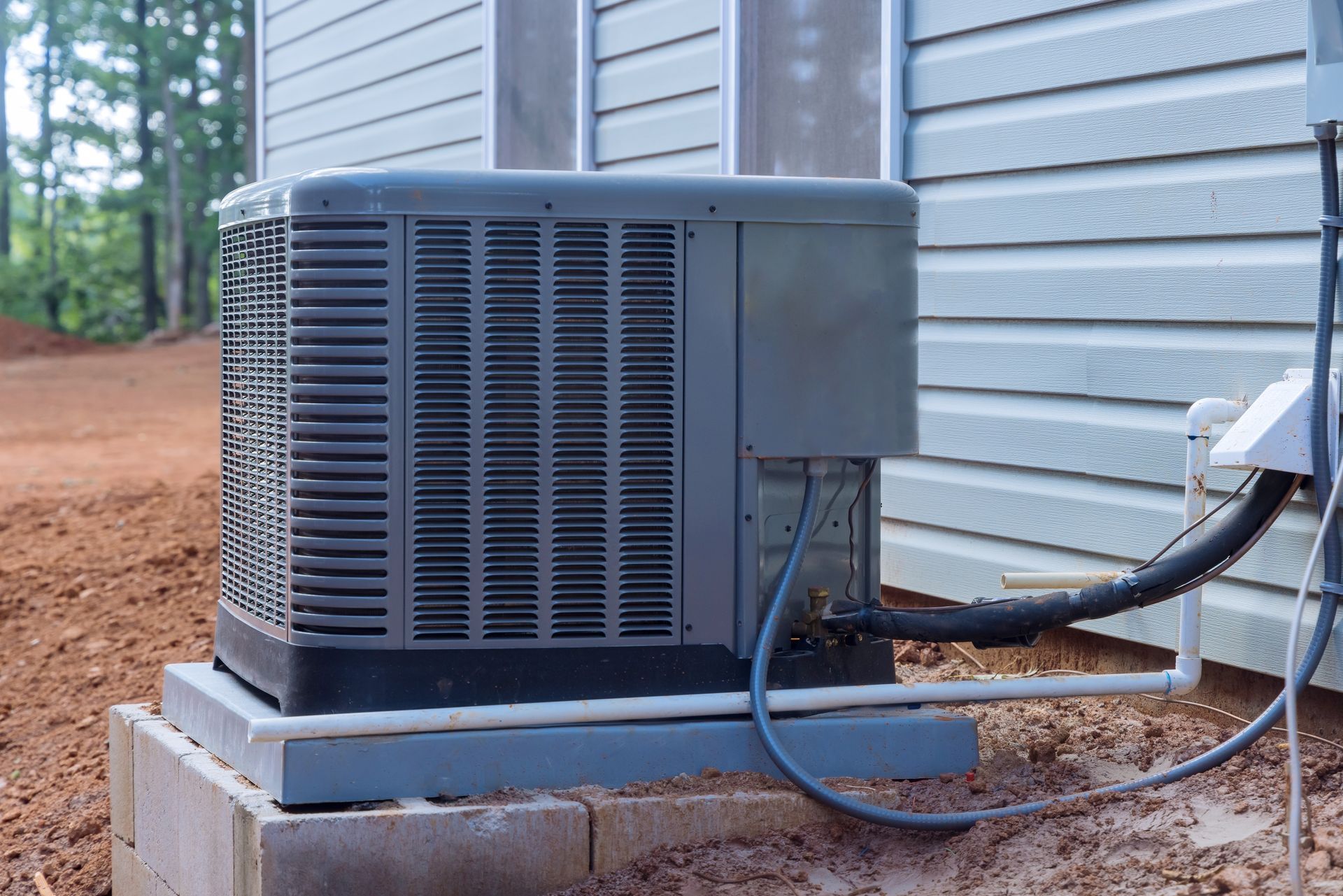
Refrigerant lines are sized and charged according to manufacturer specifications, with line sets running through conditioned space when possible to prevent efficiency losses in unconditioned attics where summer temperatures exceed 140 degrees. Condensate drains slope continuously to prevent standing water, and outdoor units are positioned away from bedroom windows to reduce compressor noise during night operation. Electrical connections match the new equipment's amperage requirements, often necessitating circuit upgrades from older 30-amp systems to 40- or 50-amp service for higher-efficiency units.
After installation completes, airflow is measured at supply registers to verify balanced distribution, and thermostat operation is tested through full heating and cooling cycles. You will notice immediate temperature recovery when the system starts, even airflow from all registers, and quieter operation compared to failing equipment that struggled to maintain comfort. The outdoor unit runs in steady cycles rather than constant operation, and indoor humidity remains stable without the clammy feel that occurs when oversized systems short-cycle.
Installation includes startup, airflow verification, and thermostat programming, but does not include ductwork modification, electrical panel upgrades, or gas line relocation unless specified in the estimate. Warranty registration with the equipment manufacturer activates parts coverage, while installation workmanship is covered separately.
What Homeowners Ask Before Installation
Installation questions often focus on system selection, timing, and what the process involves for homes in the Amarillo area.
What determines the right system size for a home?
Load calculation accounts for square footage, insulation, window area, and ductwork condition rather than simply matching existing equipment tonnage, preventing the efficiency and comfort problems caused by oversized or undersized units.
How does Amarillo's climate affect system selection?
The combination of hot summers, cold winters, and low humidity favors systems with multi-stage or variable-speed operation that adjust output to match moderate temperatures common in spring and fall without short cycling.
What happens during the installation process?
Existing equipment is disconnected and removed, new indoor and outdoor units are set and connected, refrigerant lines are installed and charged, electrical connections are made, and the system is tested through complete heating and cooling cycles.
When should installation be scheduled?
Spring and fall offer more flexible scheduling than peak summer and winter months when service demand increases, and moderate temperatures allow installation without extended periods of no heating or cooling.
What should homeowners notice after a new system is installed?
Temperature recovery improves noticeably, with the home reaching thermostat settings faster and maintaining even temperatures across rooms, while outdoor units run in predictable cycles rather than laboring continuously during extreme weather.
HVAC M.D. provides installation planning that matches equipment capacity to actual heating and cooling requirements rather than assumptions based on old system specifications. Schedule a consultation to review load calculations and system options for your property.