
Ventilation That Actually Clears Cooking Air
Residential Kitchen Hood Installation in Amarillo for kitchens producing persistent heat, moisture, and odor buildup
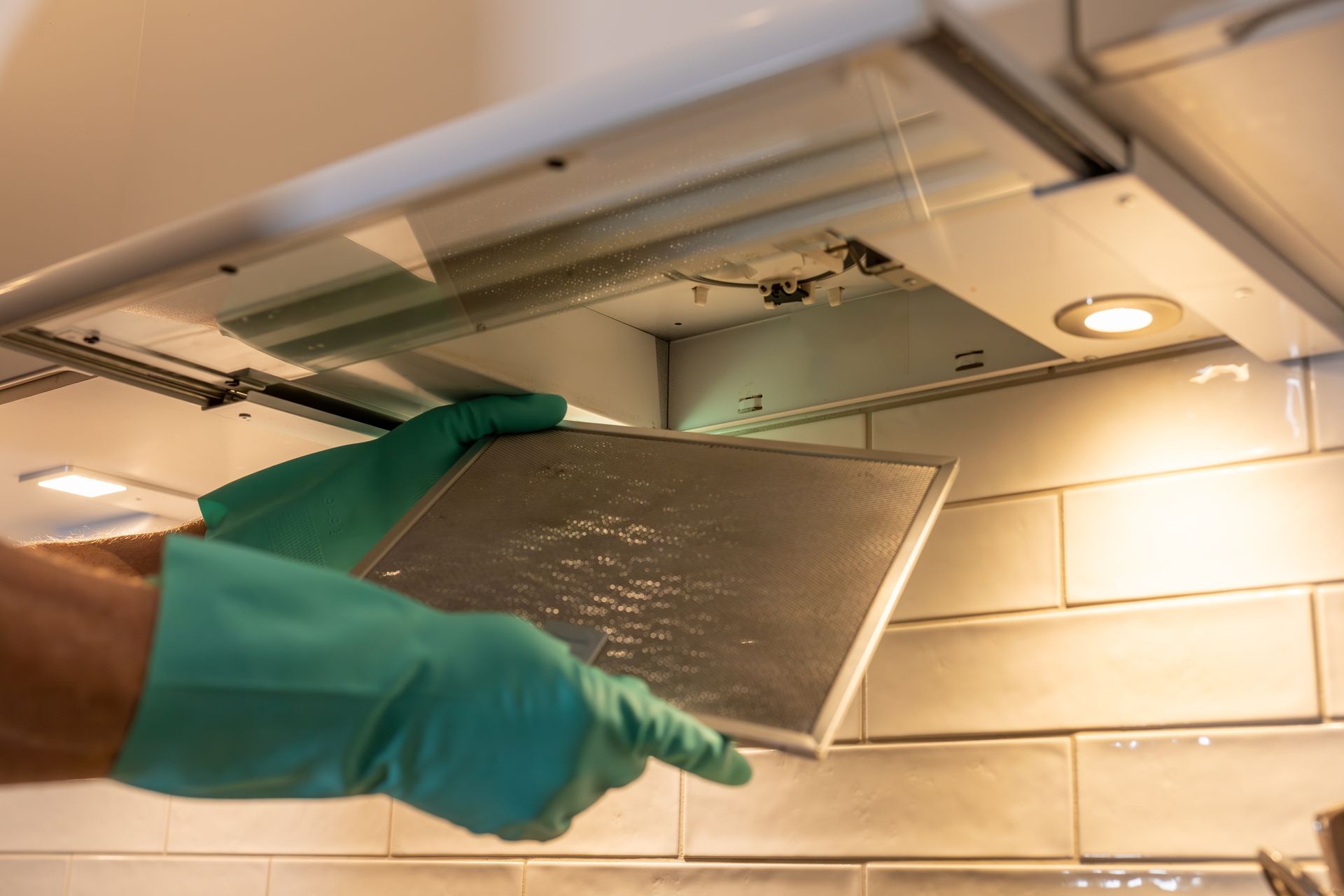
When cooking heat lingers near the ceiling and grease residue builds up on cabinets, the kitchen ventilation system is not removing airborne cooking byproducts effectively. HVAC M.D. installs residential kitchen hoods in Amarillo for homeowners replacing outdated units or adding ventilation to kitchens that lack proper exhaust capacity. Proper hood placement and secure mounting ensure the unit captures cooking emissions at the source before they spread throughout the home.
This service involves positioning the hood at the correct height above the cooking surface, securing it to wall studs or ceiling joists, and connecting it to ductwork that vents cooking heat, moisture, odors, and airborne grease particles to the exterior. When the project requires exterior venting, the installation includes planning the duct route to minimize bends and maintain adequate airflow, then sealing all connections to prevent conditioned air loss.
Schedule an installation evaluation to determine hood size, placement requirements, and ventilation routing for your kitchen layout.
How Proper Installation Improves Kitchen Air Quality
The installation process begins with evaluating your cooktop configuration and existing ventilation options to determine the hood size and capture area needed for effective exhaust. The mounting location is selected based on the distance from the cooking surface, typically 24 to 30 inches above electric ranges and 30 to 36 inches above gas burners, to balance capture efficiency with clearance for working space. Secure mounting to structural framing prevents vibration during fan operation and ensures long-term stability.
Once the hood is installed and connected to appropriately sized ductwork, you notice that cooking heat no longer accumulates near the ceiling, moisture does not condense on upper cabinets, and cooking odors clear from the kitchen within minutes instead of lingering for hours. The hood fan moves air at the rated cubic feet per minute, creating negative pressure that pulls cooking emissions upward and directs them through the duct system to the exterior termination point.
The installation includes verifying that the duct path is as short and straight as feasible, since every elbow and additional foot of duct reduces exhaust efficiency. If your home requires a long duct run or multiple turns to reach an exterior wall or roof penetration, the hood may need higher fan capacity to overcome the static pressure loss and maintain effective ventilation.
What Homeowners Usually Ask
Understanding the installation process and ventilation requirements helps you prepare for the work and plan for the most effective hood placement in your kitchen.
What determines the correct hood size for my cooktop?
The hood width should match or exceed the cooktop width by at least three inches on each side to capture rising heat and cooking emissions effectively, with larger hoods required for high-BTU gas ranges or wide cooktop configurations.
How does ductwork routing affect ventilation performance?
Every 90-degree elbow reduces airflow by the equivalent of approximately ten feet of straight duct, so installations in Amarillo homes with limited exterior wall access may require in-line booster fans or higher-capacity hoods to maintain adequate exhaust.
When should I replace an existing hood instead of repairing it?
Replacement is recommended when the existing unit cannot provide sufficient airflow for your cooking equipment, when the fan motor has failed and replacement parts are unavailable, or when the hood does not match the current cooktop footprint.
What type of ductwork is used for exterior venting?
Rigid metal duct, typically galvanized steel or aluminum, is used for the main duct runs because it maintains smooth interior surfaces that resist grease buildup and allow consistent airflow without sagging or collapsing.
How long does a residential hood installation typically take?
Most installations are completed in two to four hours, depending on whether new ductwork must be routed through walls or ceilings, whether structural modifications are needed for mounting, and whether electrical circuits require upgrades to support the hood fan and lighting.
HVAC M.D. provides residential kitchen hood installation that addresses your cooking ventilation needs and integrates with your home's exterior venting options. Request an installation evaluation to review hood sizing, placement, and ductwork routing based on your kitchen configuration and cooking equipment.