
Straightforward Temperature Control for Changing Conditions
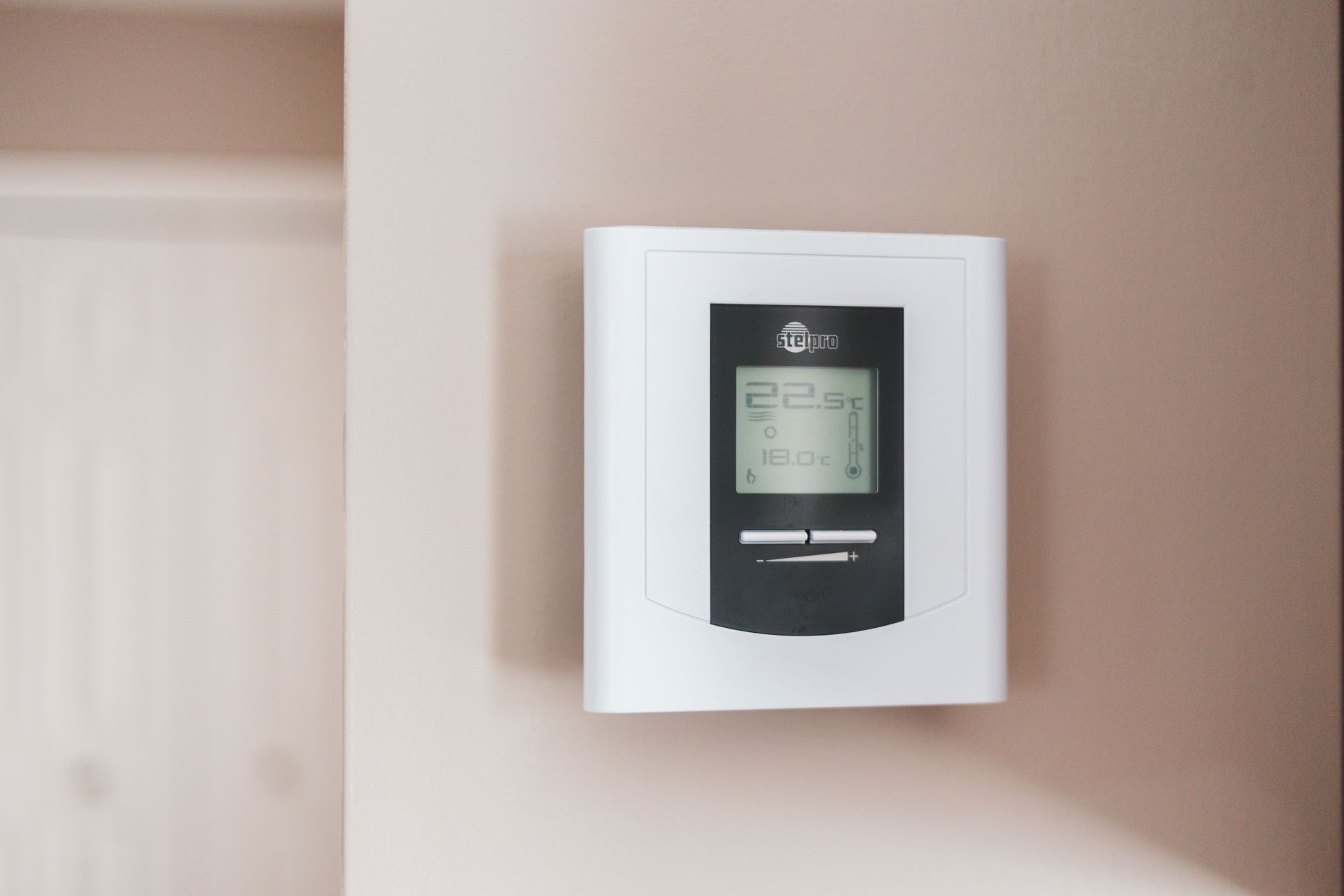
Thermostat Installation in Amarillo for replacing outdated controls or matching new HVAC equipment
A thermostat that reads temperature inaccurately, cycles equipment erratically, or lacks compatibility with updated HVAC components creates comfort problems and unnecessary wear on the system. Thermostat installation in Amarillo by HVAC M.D. replaces outdated mechanical or digital controls with units that provide accurate temperature sensing, proper staging for multi-speed or variable-capacity equipment, and scheduling features when supported by the chosen model. Large Texas Panhandle temperature swings between day and night, season to season, demand reliable control that responds to actual conditions rather than guessing or lagging behind changing comfort needs.
Installation involves removing the old thermostat, verifying wire compatibility with the new unit, mounting the new thermostat on a level interior wall away from direct sunlight or drafts, and configuring system settings to match the connected equipment. Programmable and smart thermostats allow you to set schedules that adjust temperature based on occupancy patterns, reducing runtime during unoccupied hours without sacrificing comfort when the house is in use. The new control communicates accurately with the furnace, air conditioner, or heat pump, ensuring the system runs only as long as needed to reach and maintain the set temperature.
Request thermostat installation if your current control is unresponsive, incompatible with recent equipment upgrades, or simply outdated.
Why Correct Thermostat Selection and Setup Matter
Choosing a thermostat involves matching the control to the HVAC system's wiring, voltage, and staging requirements rather than selecting based solely on features or appearance. Single-stage systems require basic on-off control, while multi-stage and variable-speed systems need thermostats capable of communicating with modulating equipment to avoid short-cycling or inefficient operation. HVAC M.D. verifies compatibility before installation to prevent communication errors, incorrect staging, or system lockouts caused by mismatched controls.
Once installation is complete, you will notice that the system reaches set temperature without overshooting, maintains consistent comfort through temperature swings typical of Panhandle weather, and responds predictably to manual or programmed adjustments. Rooms no longer feel stuffy or chilly due to thermostat lag, and the system stops running continuously because the control finally reads actual air temperature rather than being influenced by nearby heat sources or cold drafts.
Thermostat installation does not repair underlying HVAC issues such as refrigerant leaks, duct leaks, or failing components, and a new control will not compensate for an undersized or oversized system. Proper placement on an interior wall, away from windows, exterior doors, and supply vents, ensures accurate temperature sensing and prevents false readings that lead to unnecessary heating or cooling cycles.
Common Thermostat Installation Questions
Homeowners in Amarillo frequently ask about compatibility, features, and setup before committing to a new thermostat, and the answers below address the most practical concerns encountered during the selection and installation process.
What is the difference between programmable and smart thermostats?
Programmable thermostats allow you to set a weekly schedule manually, while smart thermostats connect to Wi-Fi, learn patterns over time, and can be controlled remotely through a smartphone app, though both provide scheduling to reduce runtime during unoccupied hours.
How do I know if my current thermostat is compatible with my HVAC system?
Compatibility depends on system voltage, number of stages, and whether the equipment uses proprietary communication protocols, which HVAC M.D. verifies by inspecting the existing wiring and equipment before recommending a replacement model.
Can a new thermostat reduce energy use?
A properly functioning thermostat prevents unnecessary runtime by accurately sensing temperature and allowing you to schedule setbacks during unoccupied periods, though actual savings depend on how the system was previously controlled and how the new unit is programmed.
Where should a thermostat be installed for accurate readings?
Interior walls away from windows, exterior doors, supply vents, and direct sunlight provide the most stable temperature readings, preventing the thermostat from reacting to localized heat or cold rather than whole-home conditions.
How long does thermostat installation take?
Most installations are completed in under an hour, including removing the old unit, connecting and configuring the new thermostat, and verifying proper communication with the HVAC system.
HVAC M.D. matches thermostats to the specific requirements of your HVAC equipment and your preferences for manual or automated control. Contact our team in Amarillo to arrange thermostat installation that improves comfort and system performance.